



What is a Digital Experience Platform (DXP):
A Digital Experience Platform (DXP) assists organizations in managing and delivering their personalized digital experiences through a company’s website, digital commerce, mobile apps, social media, email, and other digital channels.
These DXPs, such as Sitecore, design an increasingly controlled, smooth, consistent experience – served through to your destination, on the channel or device you might eventually choose to use.
What is Information Architecture:
Information Architecture (IA) is used for structuring information to facilitate the availability and traceability of content efficiently.
With the growing demand for DXPs across organizations, it is necessary to have a proper IA strategy in place, keeping in mind not just the current information and data needs but also ensuring the long-term future needs and demands of the organization can be fulfilled by IA.
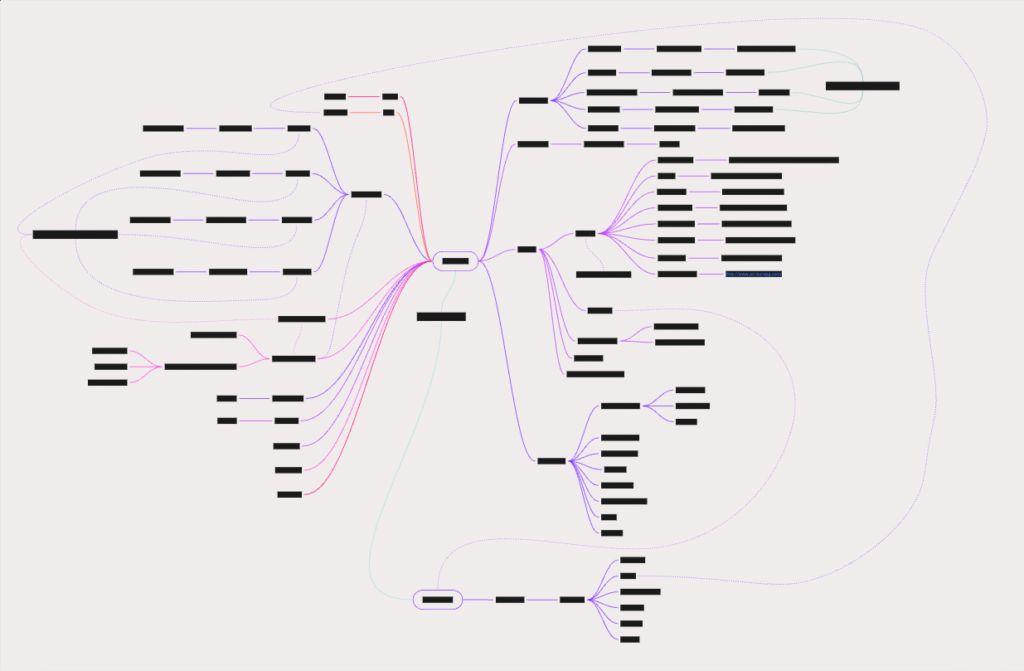
Why is it important to have a proper Information Architecture in place?
For a successful DXP implementation, it is essential to have a proper Information Architecture defined. The importance of IA in a DXP can be defined by, but not limited to, the following reasons:
- Better Content Management: DXPs are loaded with a large amount of data and content. Hence, it becomes necessary to structure the content in a well-defined and meaningful logical grouping. IA also helps in devising the guidelines for content creation and organization for a clean and concise way to maintain data and information IA also ensures consistency and accuracy of the content and helps to streamline the content workflows
- Unified User Experience across various touchpoints: IA helps to provide a seamless and well-articulated user experience across different touchpoints within the DXP through structuring and organizing information. A proper IA always ensures Consistent navigation, labeling, and categorization of information to enhance user satisfaction and engagement.
- Data Search and Discovery are easier and quicker: A well-designed IA should specify organizing content in logical categories, well-defined metadata elements, and proper tagging IA enhances the accuracy and relevance of search results, enabling users to find information quickly and easily, hence making search and discovery more prominent
- Enables Scalability and Growth metrics: DXPs are bound to evolve in the long run as the business grows. With the changing business dynamics, it is essential to scale to meet the business demands and end-user needs. A scalable and structured IA provides the foundation for managing complexity and facilitating future growth. IA enables DXPs to adapt to new technologies and architectures by adapting to a modular, scalable architecture without compromising the performance or usability of the application.
- Efficient Personalization and Targeting: DXPs with an effective and streamlined IA provide an added advantage in delivering personalized content and experiences based on the preferences and behaviors of individual users who interact with the application. A well-organized IA strategy allows the DXPs to organize user data and content hierarchically and to understand user needs to deliver relevant content
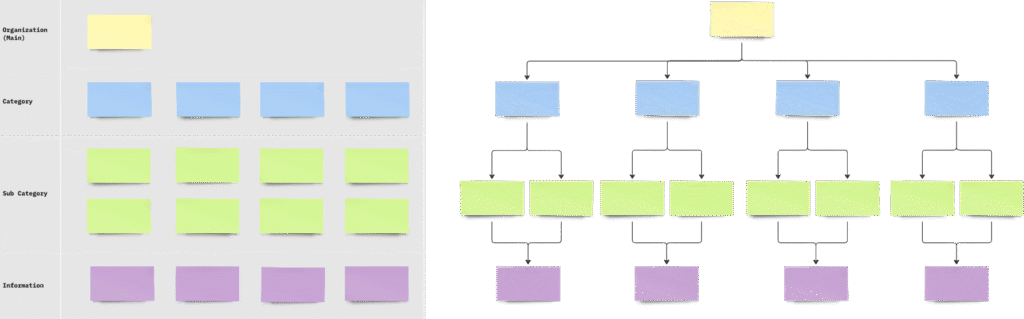
How to define and successfully run the IA strategy?
Defining the IA strategy would involve several steps before finalizing and experimenting with the IA model.
- Understand the Organization’s Goals and Structure: It is essential to understand the goals of the organization and its structure in terms of categorization, to align the IA strategy with it. It is essential to list down all the organizational entities that are essential for the overall processing of the organization.
- Perform Audit: To understand the overall structure for content and taxonomy, it is necessary to perform an Audit of the current distribution of information. This would provide insight into the information management and scale of data and types.
- Create IA and Taxonomy designs: Once the Audit is completed, it is necessary to develop the Information Architecture and Taxonomy designs using the various techniques available, such as Hierarchical Information Architecture and Information Architecture based on Taxonomy, to align the IA strategy with the goals and future needs.
- Content Tagging/Labelling: As part of the IA strategy, it is also essential to tag the main hierarchies/content building blocks, as it gives the potential flexibility in aligning the content strategy with the IA and provides searching and traceability as the end benefits.
- Test the Model: Once the IA model is ready, it is essential to perform usability testing with the stakeholders and end users. Run the model with the specific user group and take feedback as necessary to get important feedback.
- Refine the Model: Information Architecture is a model that evolves with content and structural changes. Hence, it is essential to Iterate and refine based on usability feedback, organization changes, content strategy changes, or any other entity that may be essential for the refinement of Information flow and availability within an organization.
Conclusion:
DXP is are ever-evolving system where a lot of information flows in and is managed. Hence, it is essential to have a well-defined Information Architecture strategy in place to tackle the current and future structuring needs in place for products such as Sitecore XP, XM, and XMC, depending on the needs and goals of the organization.
When working with DXPs, the focus needs to be on the IA from the start, and always ensure to test the IA model as and when the organization evolves to check for any potential upgrades or tweaks for efficiency and scalability.